


Yelyzaveta Chykalova, Head of Digital Development and IT at DTEK Oil&Gas’s Engineering and Technology Centre, shared this insight at the SPE workshop "Artificial Intelligence as a Driver of Oil and Gas Industry Development", held as part of the NEWFOLK Oil and Gas Conference.

toggle high contrast
EN
UA
23 October 2026, Ukraine
DTEK Oil&Gas: AI can reduce geologists’ manual workload by over 90%
0:00
0:00
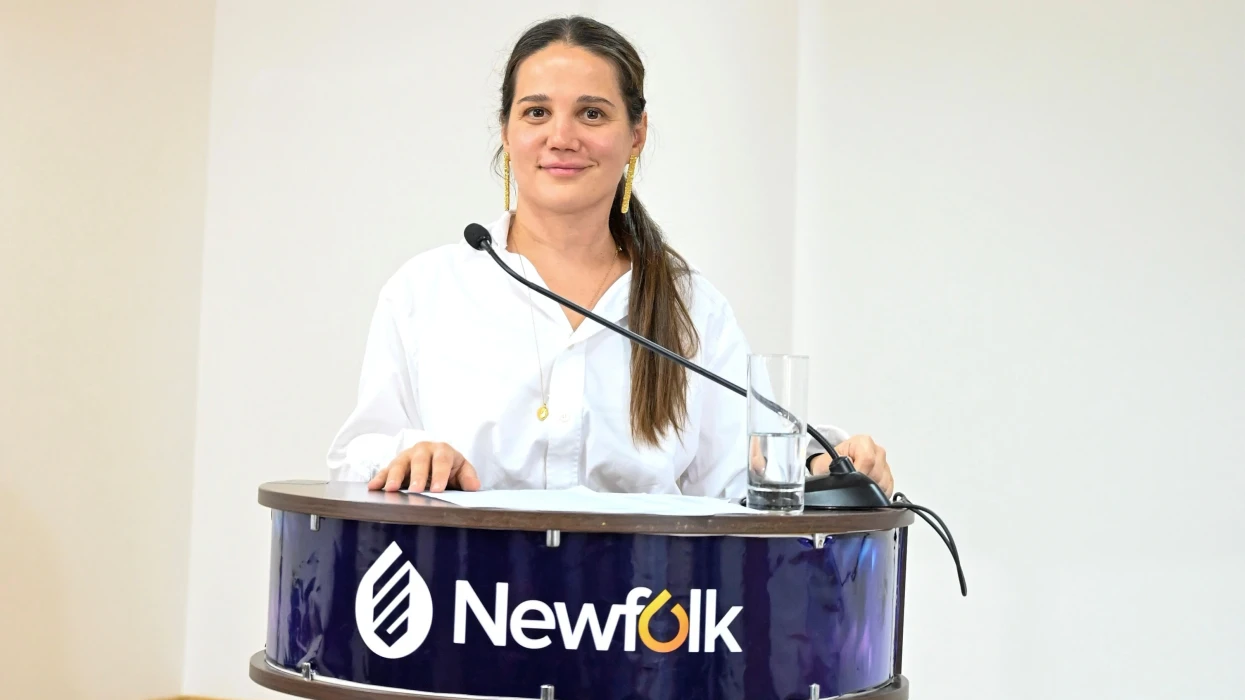
In her presentation, Yelyzaveta discussed key trends in the application of artificial intelligence across the industry, approaches to its responsible implementation, and DTEK Oil&Gas’s practical experience with AI.
Particular emphasis was placed on data, as its quality, accessibility and structure are essential prerequisites for implementing AI solutions. DTEK Oil&Gas is systematically developing a unified, reliable data environment to support end-to-end analytics, scenario modelling and the wider adoption of AI technologies.
AI GEO Copilot is a practical example of this approach. The solution helps automate the processing of geological materials by recognising documents and tables, extracting relevant parameters, standardising terminology and units of measurement, and performing logical and geological checks.
Testing showed that the total processing time for a single set of materials could be reduced by approximately 81%, while geologists’ manual workload could be cut by approximately 94%. Instead of eight hours of manual processing, the workflow requires around one hour of Copilot processing and a further 30 minutes of specialist preparation and validation.
At the same time, AI adoption requires a responsible approach, including data quality and protection, system transparency, risk assessment and mandatory human oversight. Specialists must understand the technology’s limitations, verify its recommendations and retain responsibility for final decisions.
“AI is gradually moving from isolated experiments to practical solutions capable of delivering measurable business impact. Companies should therefore focus on identifying the tasks where the technology can deliver the greatest value, rather than seeking to launch as many AI projects as possible. These include supporting production growth, reducing costs, improving capital efficiency and mitigating risks,” said Yelyzaveta Chykalova.
press title
Santi Dharmawan
E:
to_email
Pavlo Bilodid
E:
to_email
All news
All news

11 September 2026
DTEK identifies key reforms needed to boost investment in Ukraine's gas sector
10 August 2026
DTEK Oil&Gas Allocates UAH 20 Million to Community Development Projects in 2026

29 July 2026
DTEK Oil&Gas: Attracting Investment to Gas Production Sector Requires Appropriate ...
22 July 2026
DTEK Oil&Gas Accelerates Well Drilling by 20% Using VerticalScout® Technology