


Updating geological data on hydrocarbon resources and reserves is an important factor for attracting investment into Ukraine’s gas production sector and supporting its long-term development, according to Yulia Borzhemska, Investment and Regulatory Affairs Manager at DTEK Oil&Gas.
toggle high contrast
EN
UA
29 July 2026, Ukraine
DTEK Oil&Gas: Attracting Investment to Gas Production Sector Requires Appropriate Conditions
0:00
0:00
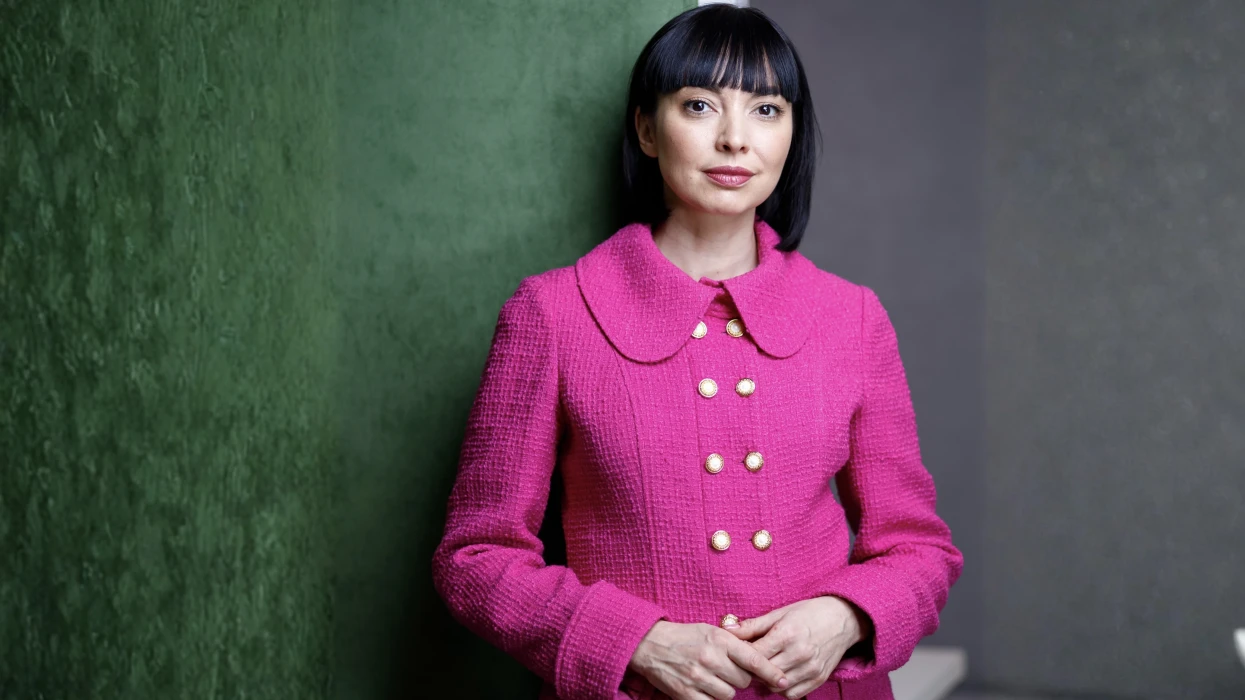
Speaking at the panel discussion “The Gas Sector in Transition: Production, Public Service Obligations, Renewable Gases and European Integration” during the 6th Energy Law Conference organised by the Ukrainian Bar Association, Yulia Borzhemska highlighted the importance of aligning Ukraine’s resource base assessment with international standards.
Ukraine ranks among the top three European countries in terms of proven natural gas reserves. Despite its substantial resource potential, the sector continues to face a shortage of investment. Greater integration with European energy markets could help unlock new sources of capital and improve the overall investment climate.
However, one of the key obstacles remains the state of geological information, much of which is outdated and does not comply with international standards. Updating resource and reserve data in line with the revised Classification of Mineral Reserves and Resources could help remove this barrier and strengthen investor confidence.
Establishing a transparent mechanism for updating the national resource and reserve base would improve project evaluation, enhance the sector’s investment appeal and facilitate additional private-sector investment in subsoil development. At the same time, conducting a comprehensive update of geological information without investor involvement would place a significant burden on Ukraine’s state budget, particularly under wartime conditions. Therefore, a transparent framework enabling investor participation in the updating of geological data on hydrocarbon reserves and resources is essential.
Another key issue discussed during the panel was the harmonisation of natural gas quality requirements with European standards. Introducing updated regulations would align gas quality specifications in Ukraine with those applied across the EU, create more predictable market conditions and facilitate the future integration of Ukraine’s gas sector into the European energy market.
For gas producers, however, compliance with the new standards will require substantial investment to bring the physical and chemical characteristics of gas into line with European requirements, as well as further investment in gas quality monitoring and control systems. In addition, a number of issues still require regulatory support and government action, including the utilisation of captured CO₂.
“For the sector to develop, it is important not only to sustain production but also to create conditions that attract investment and support integration with the European market. Updating the resource base and harmonising gas quality requirements are important steps in that direction and require close cooperation between the state and industry,” said Yulia Borzhemska.
Participants in the discussion also addressed a range of European integration initiatives that are expected to shape the sector in the coming years, including methane regulation, the development of hydrogen and low-carbon gas markets, sustainability reporting requirements, and measures aimed at increasing transparency across energy markets.
press title
Santi Dharmawan
E:
to_email
Pavlo Bilodid
E:
to_email
All news
All news
23 October 2026
DTEK Oil&Gas: AI can reduce geologists’ manual workload by over 90%

11 September 2026
DTEK identifies key reforms needed to boost investment in Ukraine's gas sector
10 August 2026
DTEK Oil&Gas Allocates UAH 20 Million to Community Development Projects in 2026
22 July 2026
DTEK Oil&Gas Accelerates Well Drilling by 20% Using VerticalScout® Technology